




Peripheral Arterial Disease
Introduction
Intermittent claudication, also known as peripheral arterial disease, is the inability to walk due to pain in the patient’s calves or buttocks. It is a common condition in which blood flow to the arms and legs is reduced due to narrowing of the arteries. Among the general public, the condition is commonly known as “shop-window disease,” as the patient looks for an excuse to stop in front of a shop window because of the pain or burning sensation they feel while walking, mainly in the calves and sometimes in the buttocks.
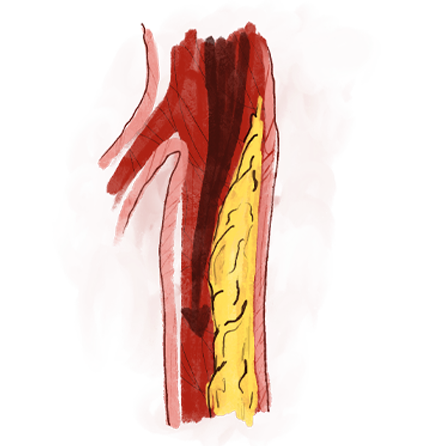
Peripheral arterial disease is usually a sign of fatty deposits building up in the arteries — atherosclerosis. Atherosclerosis causes narrowing of the arteries, which can reduce blood flow to the legs and, in some cases, to the arms. The symptoms of claudication include muscle pain or cramps in the legs or arms, with the pain most commonly felt in the calves. The pain can range from mild to severe. Severe leg pain can make walking or other types of physical activity difficult. Treatment for peripheral arterial disease includes, among other measures, exercise, a healthy diet, and smoking cessation.
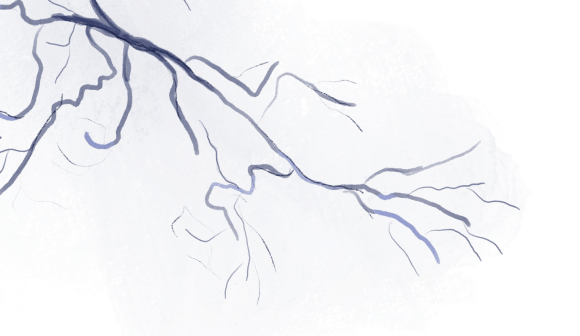
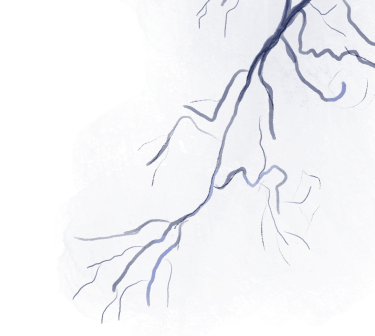
The timely early diagnosis of the disease
is very important
for the good outcome of the condition in both stages of the disease.
Understanding of Intermittent claudication
The onset of pain in the patient’s calves or buttocks during walking is indicative of poor blood supply to the lower limbs due to arterial blockage — peripheral arterial disease. This is the main cause of intermittent claudication. The indication for treating the condition is the onset of pain at a walking distance of less than 200 meters — Fontaine stage IIb.
NOTE: In young patients, intermittent claudication — especially during exercise — is mainly caused by compression of the popliteal artery behind the knee by the gastrocnemius muscle. This condition is called popliteal artery entrapment syndrome and requires treatment to prevent injury to the inner lining of the vessel or thrombosis.
The diagnosis is documented with the ankle-brachial index (ABI): a value below 0.9 establishes the diagnosis of peripheral arterial disease, according to the ESC and ESVS guidelines (2017 edition). The frequency of the disease increases with age and exceeds 15% in people over 70 years of age.
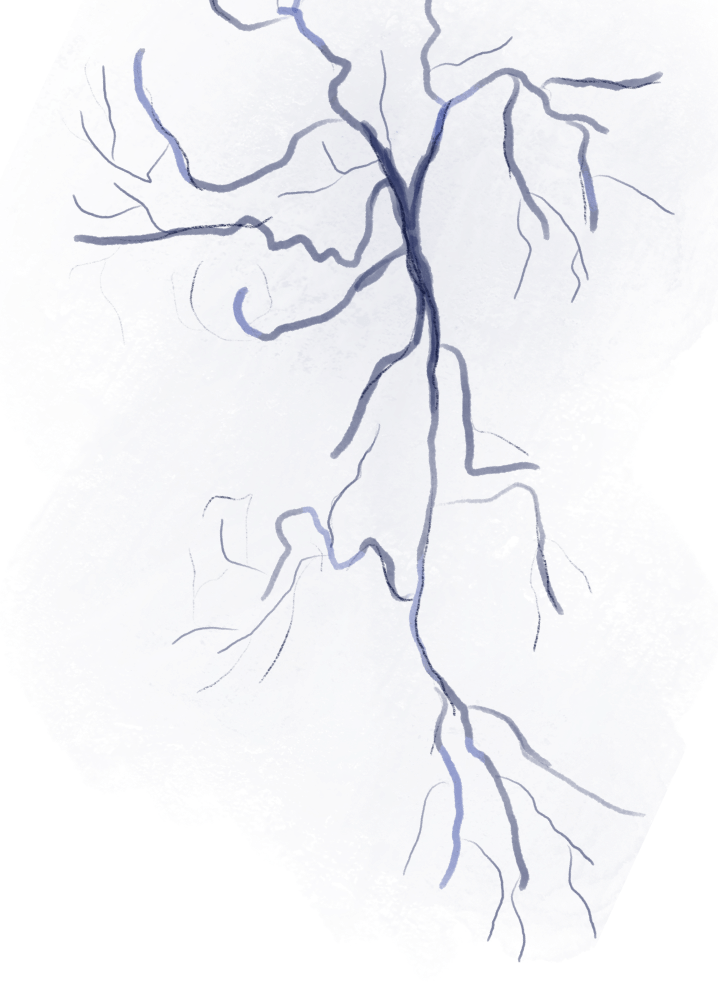
What are the interventional methods of surgical treatment?
Therapeutic options for intermittent claudication (peripheral arterial disease)
Intermittent claudication is initially treated by correcting the risk factors that lead to vascular blockage — smoking cessation, weight loss, cholesterol control, administration of antiplatelet medication, etc. — and by encouraging the patient to walk as much as possible based on a specialised exercise program.
If symptoms do not improve, the patient may undergo a lower-limb revascularization procedure. Revascularization can be performed either minimally invasively — endovascularly — or through surgical bypass. With the Hybrid Operating Room, procedures for the treatment of complex vascular surgical conditions are performed with great success and without complications.
The main criteria for determining which treatment is best are the length of the blockage, the presence of severe calcifications, the patient’s clinical condition, and, of course, the center’s expertise in each technique.
In the case of minimally invasive (endovascular) surgery, revascularisation is performed with special wires and balloons, while in certain patients and types of occlusion there is the possibility of removing the atherosclerotic plaque with special atherotomes (laser, rotational, directional atherectomy). The general rule in patients with intermittent claudication is to avoid stent placement in the leg as far as possible, because of the higher risk of restenosis (20-40% within one year) or of stent fracture from knee movement (1-10%). To reduce this risk, either balloons coated with special drugs that remain in the vessel wall and reduce the risk of restenosis are used (drug-coated balloons), or stents that release such drugs over a prolonged period (drug-eluting stents).
NOTE: In the specific case of popliteal artery entrapment, the only treatment is surgical removal of either the tendon or the muscle causing the vessel entrapment. These young patients do not undergo the aforementioned treatments, as they do not suffer from peripheral arterial disease.
In the treatment of peripheral arterial disease, Prof. Theodosios Bisdas performed the first use in Greece of the Phoenix endovascular atherosclerotic plaque removal catheter, in the hybrid operating room of the Athens Medical Center.

The role of the vascular surgeon in the treatment of intermittent claudication
A The role of the vascular surgeon who masters equally well both techniques of revascularization of the leg (endovascular and bypass) is to decide for each patient separately which method suits them more and which is the most appropriate moment to intervene. In every case, the patient with intermittent claudication must walk frequently and long distances as peripheral arterial disease is an indication of generalized disease of the vessels including also the vessels of the heart (coronary artery disease). Contact with our clinic to receive individualized diagnosis and treatment.

