




ERECTILE DYSFUNCTION
Introduction
Erectile dysfunction (ED) refers to the inability to achieve and/or maintain an erection sufficient for sexual intercourse. Occasional difficulty with erections may occur in many men and is not necessarily a cause for concern, as various temporary factors—such as stress or fatigue—can contribute to this condition. However, when erectile dysfunction becomes a persistent problem, it may cause anxiety, affect self-confidence, and negatively impact intimate relationships.

Erectile dysfunction can have multiple causes. Approximately 60–80% of cases are vascular in origin, 10–20% are neurological, 10–15% are medication-related, and 5–10% are hormonal. It is particularly important for men to know that about 50% of patients develop erectile dysfunction before the onset of coronary artery disease. For this reason, erectile dysfunction should be discussed openly with a cardiologist, as it may represent an early warning sign of cardiovascular disease.
Who treats it: Theodosios Bisdas, Associate Professor of Vascular Surgery and Director of the 3rd Vascular Surgery Department of the Athens Medical Center, specialises in the diagnosis and treatment of erectile dysfunction of vascular origin, with minimally invasive endovascular techniques that restore blood flow.
The timely early diagnosis of the disease
is very important
for the good outcome of the condition in both stages of the disease.
Understanding Vascular Erectile Dysfunction
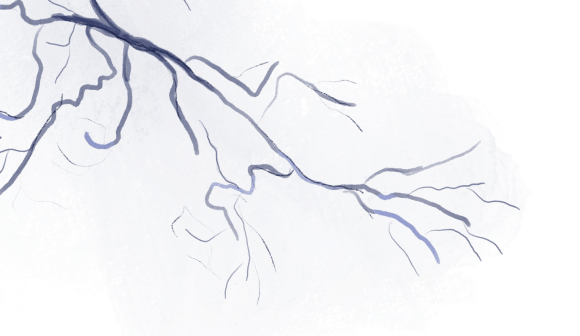
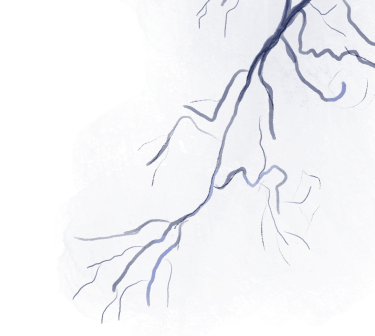
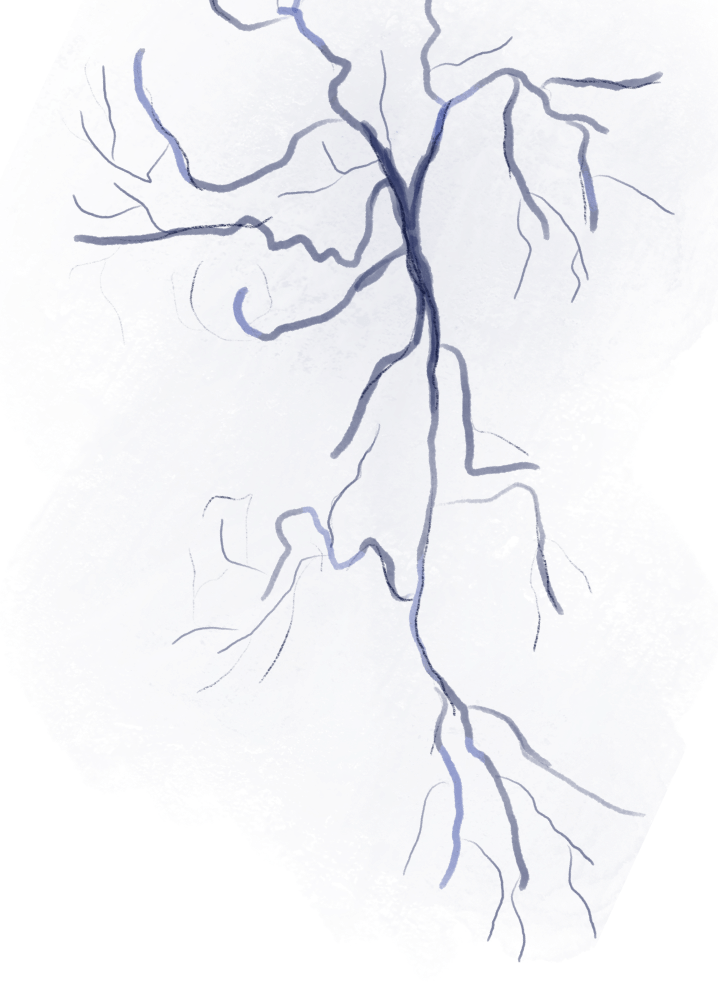
Research in patients with vascular erectile dysfunction shows that approximately 75% have narrowing or blockage of the artery supplying blood to the penis. This results in reduced blood flow and insufficient filling of the erectile chambers known as the corpora cavernosa, which are responsible for achieving and maintaining an erection. In patients with diabetes or metabolic syndrome, the larger arteries may appear normal while microvascular obstruction occurs in the small vessels of the corpora cavernosa. This prevents adequate blood filling of these chambers and also leads to erectile dysfunction. Both mechanisms ultimately result in impaired erectile function.
What are the interventional methods of surgical treatment?
Erectile Dysfunction: Symptoms
The problem is more common than is generally believed. The Massachusetts Male Aging Study, one of the largest epidemiological studies in the field, found some degree of erectile dysfunction in approximately 50% of men aged 40 to 70, with the frequency increasing steadily with age.
Erectile dysfunction typically manifests as difficulty achieving or maintaining an erection sufficient for sexual activity. Symptoms may develop gradually or suddenly, depending on the underlying cause.
In cases of vascular erectile dysfunction, erections may initially occur but are often incomplete or difficult to maintain. Men may experience:
- reduced rigidity or shorter duration of erections
- inability to achieve an erection despite normal sexual stimulation
- gradual worsening of sexual performance over time
- absence of spontaneous morning or nocturnal erections
In men with diabetes, hypertension, dyslipidemia or smoking, the above symptoms constitute an early warning sign of vascular disease and are often associated with the presence of coronary or peripheral arterial disease.
In men with diabetes, hypertension, dyslipidemia, or a history of smoking, these symptoms may represent an early warning sign of vascular disease and are frequently associated with coronary artery disease or peripheral arterial disease. For this reason, erectile dysfunction should not be viewed solely as a quality-of-life issue but also as a possible vascular symptom requiring medical evaluation.
Erectile Dysfunction: Diagnosis and Treatment
Erectile dysfunction: Diagnosis & Treatment vascular surgeon The diagnosis of vascular dysfunction of erectile dysfunction is performed by the treating urologist-andrologist in the context of an ultrasound examination and triplex of the penis. If the involvement of the arteries in the problem is confirmed, the immediate initiation of pharmaceutical treatment is recommended. If improvement does not occur after 3-6 months, the patient may be referred to the treatment of erectile dysfunction
Treatment of Vascular Erectile Dysfunction
The treatment of vascular erectile dysfunction is ideally performed in a hybrid operating room, a specialised surgical environment that combines advanced vascular imaging systems, real-time navigation inside blood vessels, and optimal sterile surgical conditions. This environment allows for safe and precise minimally invasive procedures, while maintaining the possibility of immediate conversion to open surgery if necessary.
During angiography, the physician performs super-selective catheterisation of the penile arteries. If a narrowing or blockage is detected, treatment may include angioplasty using a drug-coated balloon (paclitaxel) and placement of a drug-eluting stent if the result is not satisfactory. An important diagnostic tool is angiography using carbon dioxide, particularly for evaluating the microcirculation of the corpora cavernosa. Carbon dioxide has low viscosity, allowing it to diffuse into the microcirculation when blood supply is normal. In diabetic patients with microvascular disease, however, the gas cannot diffuse effectively—an important diagnostic finding that may lead the andrologist to recommend more advanced treatments, such as penile prosthesis implantation.

The role of the Vascular Surgeon in Erectile Dysfunction
The vascular surgeon plays a key role in the treatment of vascular erectile dysfunction, particularly when procedures are performed in a hybrid operating room. The surgeon is responsible for navigating the vascular system, restoring penile blood flow through angioplasty, placing drug-coated balloons or stents when necessary, interpreting diagnostic angiography, and selecting the most appropriate treatment approach. This expertise is critical for successfully restoring erectile function in patients with vascular causes of ED. For more information, contact vascular surgeon Dr. Theodosios Bisdas.
Frequently Asked Questions (FAQs)
Is it normal to occasionally have erection problems?
Yes. Factors such as stress, fatigue, alcohol consumption, or everyday pressures may temporarily affect erectile function. However, if the difficulty persists or occurs frequently, medical evaluation is recommended.
Which doctor should I consult for erectile dysfunction?
The first specialist to consult is usually an experienced urologist–andrologist, who specializes in male sexual health. If the cause appears to be vascular, collaboration with a vascular surgeon may be necessary to evaluate blood vessels and circulation.
What tests are needed to diagnose erectile dysfunction?
Diagnosis typically begins with a complete medical and sexual history and clinical examination. This is followed by laboratory tests such as testosterone levels, blood glucose, lipid profile, and kidney and liver function tests. When indicated, penile ultrasound (triplex scan) is performed. If vascular disease is confirmed, diagnostic angiography may be required to determine the most appropriate treatment.
Can erectile dysfunction occur in younger men?
Yes. Although the likelihood increases with age, erectile dysfunction is not limited to older men. Studies show that it can occur in younger individuals, often associated with factors such as stress, smoking, diabetes, obesity, or vascular problems.
Can erectile dysfunction be prevented?
Prevention is closely related to vascular health, including quitting smoking, regular physical activity, a healthy diet, and control of blood sugar, blood pressure, and cholesterol. Early diagnosis plays a critical role in successful treatment.
Which vascular surgeon treats erectile dysfunction of vascular origin in Athens?
Theodosios Bisdas, Associate Professor of Vascular Surgery and Director of the 3rd Vascular Surgery Department of the Athens Medical Center, specialises in investigating and treating erectile dysfunction caused by vascular factors, with minimally invasive endovascular techniques that restore blood flow.
How can a vascular surgeon help with erectile dysfunction?
When erectile dysfunction is caused by narrowing or occlusion of the pelvic arteries, the vascular surgeon can restore blood flow with angioplasty, where medication is not effective. A full imaging assessment (vascular duplex, angiography) is essential in order to identify the cause.

