




VENOUS INSUFFICIENCY
Introduction
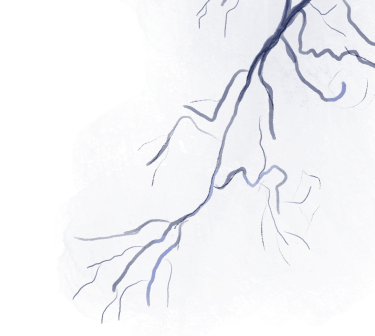
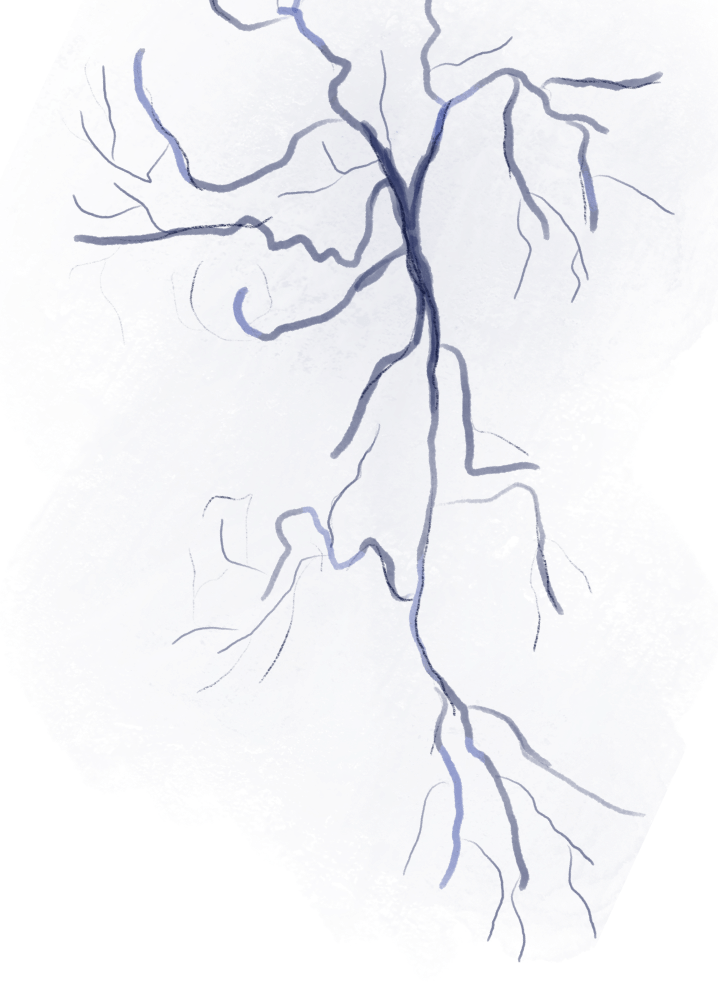
The varicose veins is the dilation of the superficial veins of the lower limb due to inadequate functioning of the valves of the veins (venous insufficiency). In essence they constitute enlarged veins, which acquire this shape, due to the fact that blood stagnates in these specific areas, due to the improper circulation of the blood. Varicose veins affect mainly the veins of the legs. This happens because standing upright and walking increase the pressure in the veins of the lower limbs.
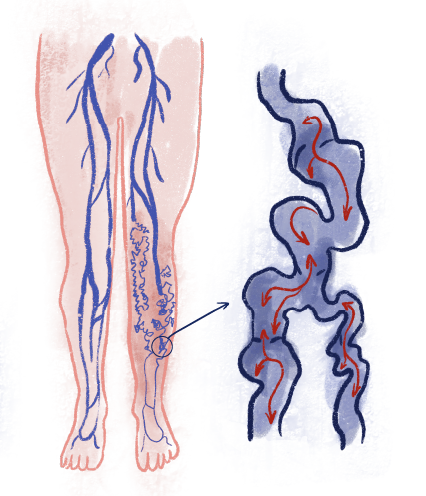

For many people, varicose veins constitute simply an aesthetic problem, as is also the case with telangiectasias. The presence of varicose veins can be asymptomatic (aesthetic problem), however it can lead to a reduction in the daily quality of life of the patient, since they can cause pain and discomfort. In some cases of extensive dilation of the veins, the patient can face more serious health problems, such as for example developing thrombophlebitis of the superficial venous network or venous ulcer.

The timely early diagnosis of the disease
is very important
for the good outcome of the condition in both stages of the disease.
Understanding of venous insufficiency & varicose veins
For someone to understand the formation of the varicose veins one must know the circulation of the blood. The blood carries to the lower limbs through the arteries the oxygen it receives in the lungs. After the tissues of the legs receive the oxygen, the blood returns to the lungs with the help of the veins.
When the patient is standing or sitting, the blood due to gravity returns towards the feet. When the function of the valves of the superficial veins is insufficient and cannot retain the return of the blood, a vicious cycle of venous return begins. That is, dilation of the veins and further deterioration of the dysfunction of the veins. From the continuous dilation of the veins varicose veins result.
In the lower limbs a person has two main superficial veins that can develop varicose veins: the great (large) and the small saphenous vein. Small vessels that appear on the skin of the legs with a blue or red colour constitute the so-called telangiectasias.
The main Sypmtoms of varicose veins are:
- the feeling of heaviness and burning in the legs during standing (tired legs)
- pain (pain) in the calves
- oedema (swelling) at the level of the ankles
Some patients also report an intense burning sensation in the soles that forces them to put their legs outside the blanket during sleep. In the more severe forms of venous insufficiency there appears hardening of the skin at the level of the ankles, hyperpigmentation of the skin and brown spots (dermatosclerosis). In neglected cases this condition leads to the appearance of venous ulcers.
The endovascular management of venous thrombosis and pulmonary embolism was presented at the Middle East Venous Forum 2019 in Abu Dhabi.
Venous insufficiency is one of the most common vascular conditions: epidemiological studies in European populations show visible varicose veins in approximately 30% of adults, with the frequency increasing with age and after pregnancies.
How is venous insufficiency (varicose veins) treated?
The varicose veins must be treated either for aesthetic reasons (sclerotherapy for telangiectasias), or if they cause symptoms. In case of symptoms the treatment must begin with the use of stockings of graduated compression which decompress (rest) the superficial venous network. If the use of these stockings does not help in the improvement of symptoms or is not tolerated by the patient, the elimination of the superficial venous network is recommended either with the use of minimally invasive techniques (laser, radiofrequency, use of glue etc.), or with the classic open surgical method of stripping of the vein.


The role of the vascular surgeon
The successful restoration of superficial venous insufficiency lies in the correct selection of the method of elimination and in the experience of the Vascular surgeon As a general rule the majority of varicose veins can be treated with minimally invasive methods such as laser or glue. Open surgical removal is recommended mainly in particularly tortuous course of the vein, in large diameters of the central vein (>10 millimeters) as well as in particularly superficial course of the vein. Smaller superficial insufficient branches throughout the length of the central saphenous veins are treated as a rule with microincisions and removal or with the use of sclerotherapy.
With the Hybrid Operating Room, venous insufficiency and its complications such as deep vein thrombosis, are treated non-invasively and without complications.
What are the interventional methods of surgical treatment?
Frequently Asked Questions (FAQs)
What is venous insufficiency?
Venous insufficiency is a condition where the veins, usually in the legs, struggle to return the blood back to the heart. This happens because the valves inside the veins, which normally prevent the backflow of blood, have been damaged or have weakened. As a result, blood stagnates in the legs, causing symptoms such as swelling, pain, feeling of heaviness and burning and appearance of varicose veins.
How is venous insufficiency connected to varicose veins?
Venous insufficiency is the main cause of varicose veins. When the valves in the veins do not function properly (venous insufficiency), the blood cannot rise effectively towards the heart and stagnates in the legs. This accumulation of blood leads to an increase in pressure inside the veins, resulting in them dilating, enlarging and becoming visible and palpable under the skin, forming the varicose veins. Essentially, varicose veins are the visible manifestation of the underlying venous insufficiency.
What does mild venous insufficiency mean?
It is the initial phase of the condition, where mild symptoms are observed such as mild swelling and feeling of heaviness in the legs, without complications. In this phase the conservative treatment with exercise, elevation of the legs, weight loss, use of venotonic medications and application of graduated compression stockings, improves the symptoms and interrupts the further deterioration of the condition. Nevertheless, no type of conservative treatment reverses or treats venous insufficiency.
Are there pills for venous insufficiency?
For venous insufficiency there are special pills called venotonics. These are mainly substances such as diosmin and hesperidin, which help in the improvement of circulation and in the relief from symptoms such as heaviness, swelling and cramps in the legs. These medications do not treat the condition definitively, but can make daily life more comfortable.
Which shoes are suitable when you have venous insufficiency?
Regarding shoes, the correct type plays an important role in venous health. Comfortable footwear with a soft sole and good support is recommended, so that the feet are not pressured. Very high heels or narrow shoes burden the circulation, while those with a low heel of around 2–4 centimeters are considered more suitable, as they facilitate the return of the blood.
How is venous insufficiency treated?
The treatment of venous insufficiency depends on the severity and the symptoms, and can be conservative or interventional. In more advanced cases or when the symptoms are intense, it is proposed interventional treatment, such as the use of endovenous laser (EVLA), the sclerotherapy or, more rarely nowadays, the open surgery (saphenectomy), with the aim of the elimination of the problematic veins.
Which exercises contribute to the treatment of venous insufficiency?
Exercise constitutes one of the most natural ways to improve venous circulation. Simple daily walking helps significantly, because it activates the muscles of the calf that function as a "pump". Also, exercises such as raises on the tips of the toes, "bicycle" in the air, as well as activities such as swimming and cycling, are excellent for the relief and the prevention of deterioration of venous insufficiency.

