


Vascular Disease Risk Factors and Prevention
According to the World Health Organization, smoking is the strongest modifiable risk factor for peripheral arterial disease. The guidelines of the European Society of Cardiology (ESC) set a target blood pressure of below 140/90 mmHg for most patients with vascular disease.
What are the risk factors for vascular disease?
The vascular system is responsible for transporting blood throughout the body, delivering oxygen and nutrients to tissues while removing waste products. Vascular diseases occur when arteries or veins become damaged, narrowed, blocked, or enlarged, affecting normal blood circulation.
While vascular disorders are often associated with surgery, treatment extends far beyond operative intervention. Prevention, early diagnosis, lifestyle modification, and risk factor management play a fundamental role in preserving vascular health and preventing serious complications.
Understanding Vascular Diseases
Arterial disease can affect any artery in the human body. The most common arterial condition is narrowing or occlusion of the vessel, which leads to ischaemia (reduced blood supply) of an organ, or to the risk of an embolism reaching it (for example carotid disease). The second most common arterial condition is the aneurysm, that is the dilatation of a vessel. Depending on where the aneurysm sits, the patient is at risk either of fatal rupture (abdominal and thoracic aorta, splenic and renal artery) or of thrombosis (popliteal artery). Rarer conditions are the dissection of an artery, mainly of the aorta, and injury to an artery.
Venous diseases affect the veins, which return blood from the body back to the heart. The most common venous conditions include venous thrombosis and chronic venous insufficiency. Blood clots may form in either superficial or deep veins; superficial vein thrombosis, also known as thrombophlebitis, usually causes local pain, redness, and tenderness, while deep vein thrombosis (DVT) may cause leg swelling, pain, warmth, and redness. The most serious complication of venous thrombosis is pulmonary embolism, which occurs when part of a clot travels to the lungs and blocks the pulmonary arteries. Chronic venous insufficiency develops when the valves in the veins do not function properly, allowing blood to pool in the legs. Common symptoms include varicose veins, leg heaviness, swelling around the ankles, burning or aching sensations, skin changes, and, in advanced stages, venous ulcers. Pelvic venous insufficiency may also appear as pelvic congestion syndrome in women or varicocele in men.
Risk Factors for Vascular Diseases
Non-modifiable risk factors
Many vascular diseases cannot be changed but significantly influence vascular health:
- Age (increases the risk of peripheral arterial disease and aneurysm formation)
- Family history (associated with aneurysms, aortic dissection, and venous insufficiency)
- Genetic factors (genes play a significant role in aneurysms, aortic dissection, peripheral arterial disease, and thrombophilia)
Modifiable risk factors
Many vascular diseases can be prevented by addressing the following risk factors:
- Smoking and nicotine exposure (a major cause of arterial disease and venous thrombosis)
- High blood pressure (hypertension) (associated with most arterial diseases)
- High cholesterol and unhealthy diet (major contributors to atherosclerosis and peripheral arterial disease)
- Diabetes mellitus (causes narrowing and blockage of arteries and leads to severe small-vessel disease)
- Obesity and lack of physical activity (associated with vascular disease and lymphedema)
Symptoms and Early Detection of Vascular Disease
Recognizing symptoms early can prevent serious complications.
Arterial Stenosis or Occlusion
Symptoms depend on the affected organ. In the lower limbs, patients may experience pain while walking (intermittent claudication), reduced walking distance, and, in advanced cases, toe ulcers or gangrene. In upper limb arterial disease, symptoms may include dizziness due to subclavian steal syndrome, where blood flow is diverted from the brain. Carotid artery stenosis often produces no symptoms until a stroke or transient ischaemic attack (TIA) occurs.
Aortic
Most aortic aneurysms do not cause symptoms. In some cases, patients may experience abdominal pain or back pain. Visceral artery aneurysms are also typically asymptomatic and are often discovered during imaging tests.
Venous Thrombosis
Superficial vein thrombosis (thrombophlebitis) may cause localised pain, redness, and tenderness along the vein. Deep vein thrombosis (DVT) typically causes significant limb pain, swelling, and redness or warmth of the limb.
Venous Insufficiency
Common symptoms include leg pain during prolonged standing, ankle swelling, a burning sensation in the legs, varicose veins, and spider veins. In pelvic venous insufficiency (pelvic congestion syndrome in women or varicocele in men), symptoms may include pelvic heaviness or chronic pelvic pain, hip or lower back pain, urinary leakage during coughing or laughing, pain during sexual intercourse, heavy menstrual bleeding, hemorrhoids, varicose veins of the scrotum or vulva, and a possible association with infertility.
The most important preventive and diagnostic examination for vascular diseases is the vascular duplex ultrasound (triplex scan). This non-invasive test evaluates blood flow in arteries and veins. Depending on the patient's risk profile, vascular ultrasound should be performed regularly as recommended by the vascular surgeon.
Prevention Strategies for Vascular Diseases
Lifestyle Modifications
The most important preventive measure for vascular health is complete smoking cessation, including vaping and electronic cigarettes. All forms of nicotine exposure damage blood vessels through different mechanisms. Gradual reduction does not eliminate the risk.
A healthy diet should include a low intake of saturated fats, a high intake of fiber, and plenty of fruits and vegetables. Regular physical activity is also essential. Recommended exercises include aerobic activities, such as walking, running, swimming, and cardio exercise.
We recommend moderate-intensity exercise three times per week for at least one hour. For patients with venous insufficiency, swimming is often preferable to running. If running is performed, graduated compression stockings may be helpful. Patients with heart disease or coronary artery disease should consult their cardiologist before starting an exercise program.
Maintaining a healthy body weight is also essential. Patients who have difficulty losing weight should consult specialists in obesity management, such as internists, endocrinologists, or diabetologists, followed by individualized dietary guidance from a nutritionist.
Medical Treatment of Vascular Diseases
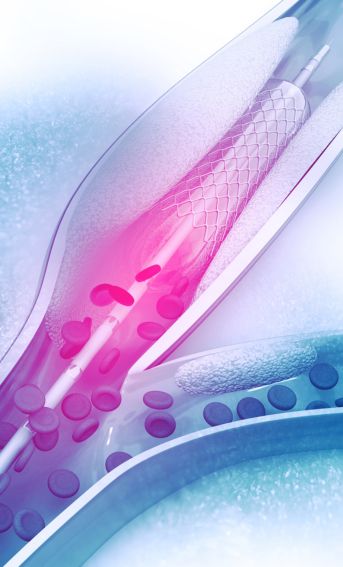
The treatment of choice for almost all vascular diseases is minimally invasive (endovascular) repair. In peripheral arterial disease, this is called angioplasty with stent placement or removal of atherosclerotic plaque using an atherectomy device. Aneurysms are treated with the use of endografts (EVAR). In cases of younger patients, genetic aortic diseases (e.g., Marfan syndrome), or complications, the vascular surgeon always retains the option of open surgical repair with direct artery replacement or the creation of a bypass.
In venous thrombosis, treatment is conservative, involving the administration of anticoagulant medications and frequent follow-up with duplex ultrasound (triplex). In special cases of massive thrombosis of the pelvic veins (iliac veins, inferior vena cava) or in severe pulmonary embolism, the vascular surgeon may perform minimally invasive thrombus removal and restoration of circulation accordingly. If there are chronic extensive thromboses in patients with severe post-thrombotic syndrome, treatment is performed with the placement of special venous stents that help relieve congestion in the leg.
Finally, in venous insufficiency, after conservative treatment with graduated compression stockings, the patient may undergo minimally invasive methods for the elimination of superficial veins (laser, radiofrequency, or glue). The use of sclerotherapy for larger veins tends to be decreasing due to the high recurrence rate of insufficiency. In cases of superficial varicose veins, treatment includes local phlebectomy (varicose vein removal) or sclerotherapy.
Management of Vascular Diseases
Most vascular conditions can be treated successfully using modern endovascular procedures, which reduce surgical trauma and shorten hospital stays. When endovascular therapy is not suitable, open surgery remains an effective alternative, although it involves larger incisions and longer recovery. Only a small number of vascular diseases are considered incurable.
Although endovascular treatments have low complication rates, some patients may require reintervention, usually through minimally invasive procedures. The risk of repeat procedures is higher in patients with diabetes, kidney failure requiring dialysis, continued smoking, and poor adherence to medical therapy. Because atherosclerosis affects the entire vascular system, regular follow-up with a vascular surgeon is essential.
The condition of the blood vessels often reflects a patient’s overall health. Except for genetic vascular diseases, most vascular disorders are linked to modifiable risk factors. Prevention and early diagnosis are therefore the most important factors for successful treatment. If lifestyle changes and medical therapy are not sufficient—or in emergency situations—modern vascular surgery offers both minimally invasive and open surgical treatment options. The optimal treatment is determined individually for each patient, following the principles of personalized medicine, and is decided by the treating vascular surgeon.
What targets do the guidelines set?
The World Health Organization recommends at least 150 minutes of moderate intensity exercise per week. The guidelines of the European Society of Cardiology (ESC, edition 2021) set a target LDL cholesterol of below 70 mg/dl in patients at high risk and below 55 mg/dl in very high risk. For blood pressure the target is below 140/90 mmHg for most patients with vascular disease.
Διαβάστε επίσης: Καθαρίζουν οι καρωτίδες με τη διατροφή;