

Case Studies
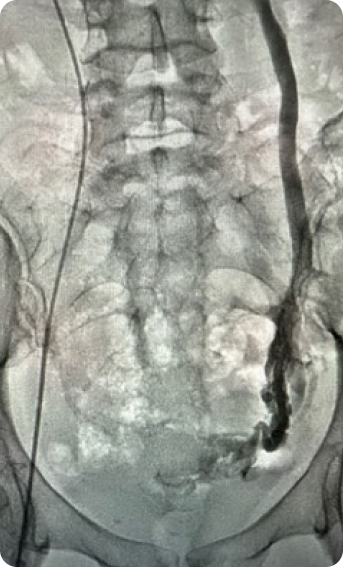
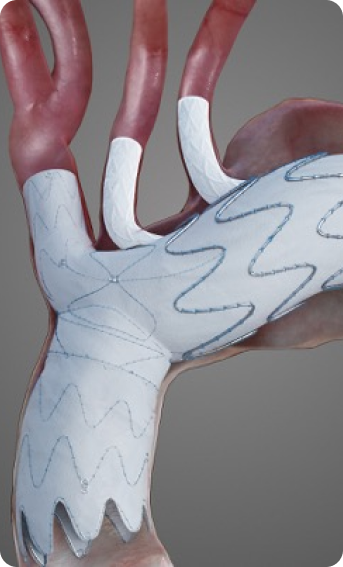
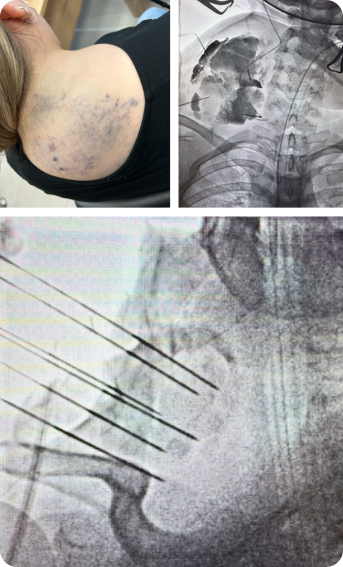
Real cases from daily practice, with the condition, the method chosen and the outcome. They concern pelvic congestion syndrome, το Aortic arch aneurysm and the vascular malformations.
What does each case include?
Each case study presents the patient profile, the symptoms and their duration, the diagnostic process, the method chosen and the outcome. The aim is to show how theory translates into a real decision, in a specific patient with a specific anatomy.
Why are they published?
The cases help the reader understand what a condition means in practice and what options exist. They are not a promise of outcome: every patient is different and the treatment decision is made individually. See the pages on pelvic congestion syndrome, το Aortic arch aneurysm and the vascular malformations.
Which conditions do they cover?
The first case concerns pelvic congestion syndrome, a cause of chronic pelvic pain that often remains undiagnosed for years because the symptoms resemble other conditions. The second concerns an aortic arch aneurysm, one of the most demanding vascular surgical conditions, since the vessels that supply the brain arise from the arch. The third concerns an extensive haemangioma, which belongs to the vascular malformations.
How is the treatment chosen?
The decision is not standardised. It depends on the anatomy, the age, the general condition and the history of the patient. It requires a surgeon with experience in more than one technique and a centre with the appropriate infrastructure, so that the treatment is adapted to the patient rather than the patient to the available technique.
Where are the procedures performed?
In the hybrid operating room IGS7 (GE Healthcare) of the Athens Medical Center, where Prof. Theodosios Bisdas directs the 3rd Vascular Surgery Department. The room allows open and endovascular techniques to be combined in the same procedure. See how the visit to the clinic and the pioneering procedures.