




Laser Treatment for Varicose Veins
What Are Varicose Veins?
Normally, venous valves allow blood to flow only toward the heart. When these valves weaken or become damaged, blood flows backward and accumulates in the veins. This leads to venous congestion, vein dilation, and eventually the appearance of varicose veins.
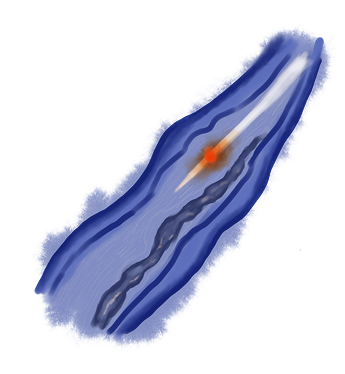
Varicose veins represent a chronic and progressive condition that develops slowly over time. If left untreated, they may lead to swelling in the legs, pain and discomfort, skin changes, and venous ulcers in advanced cases.
Who treats it: Theodosios Bisdas, Associate Professor of Vascular Surgery and Director of the 3rd Vascular Surgery Department of the Athens Medical Center, treats Chronic venous insufficiency and varicose veins with endovenous laser (EVLT - Endovenous Laser Treatment), painlessly and without hospital admission, with the safety of a full vascular surgery team at the Athens Medical Center.
The timely early diagnosis of the disease
is very important
for the good outcome of the condition in both stages of the disease.
Causes and Risk Factors
The development of varicose veins is influenced by multiple factors. The most common include:
- Genetic predisposition – family history is a strong risk factor
- Prolonged standing or sedentary work
- Pregnancy and hormonal changes
- Obesity and lack of physical activity
- Age – veins lose elasticity over time
- Gender – women are affected more frequently due to hormonal influences
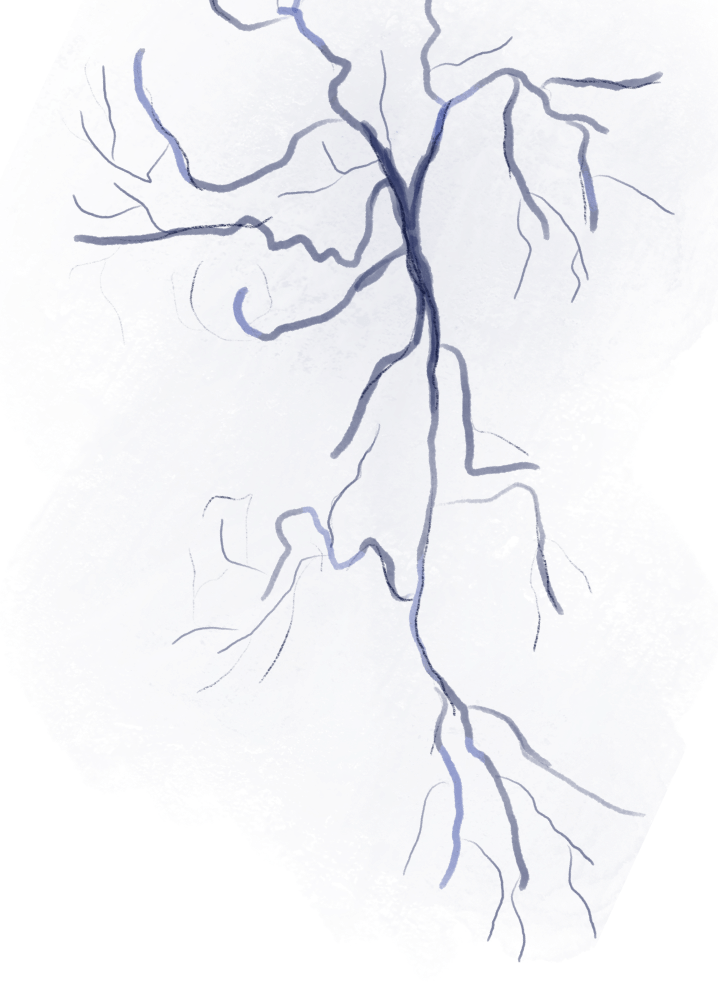
What are the interventional methods of surgical treatment?
Symptoms of Varicose Veins
Symptoms can vary, but they often worsen during hot weather or after long periods of standing.
Common symptoms include:
- A feeling of heaviness and fatigue in the legs
- Pain, burning sensation, or pressure along the veins
- Swelling in the ankles or calves
- Night cramps or muscle stiffness
- Visible enlarged veins beneath the skin
- In more advanced stages, patients may develop: skin changes, brown discoloration and venous ulcers
Varicose veins should not be ignored. Early evaluation by a vascular surgeon including a venous duplex ultrasound (Triplex) examination, is essential for accurate diagnosis and appropriate treatment planning.
Laser Treatment for Varicose Veins
Laser treatment for varicose veins is a minimally invasive endovenous procedure that has largely replaced traditional open surgery.
Instead of removing the diseased vein, laser energy seals it from the inside, allowing blood to reroute naturally through healthy veins.
This technique is painless, bloodless, highly safe, and minimally invasive. It provides rapid relief of symptoms and excellent cosmetic results without scars or stitches.
The method is known internationally as EVLA, from Endovenous Laser Ablation, or endovenous thermal ablation. The guidelines of the European Society for Vascular Surgery (ESVS, edition 2022) define it, together with radiofrequency, as the first-line treatment for the great saphenous vein, ahead of conventional surgery. The procedure is performed under τοπική αναισθησία, through a puncture of a few millimetres, and the patient returns home the same day.
How the Procedure Is Performed
Laser treatment for varicose veins is performed on an outpatient basis, with the patient awake and comfortable throughout the procedure. The entire process is guided by high-resolution ultrasound imaging, ensuring precision at every step.
Preoperative Triplex Ultrasound Mapping
Before the procedure, the vascular surgeon performs a detailed ultrasound mapping (Triplex) of the veins. This examination identifies exactly which veins are insufficient and determines the treatment plan, including the path the laser fiber will follow inside the vein.
Local Anaesthesia
The procedure is performed under local anaesthesia, without the need for general anaesthesia.
The patient experiences no pain, while the anaesthesia also protects surrounding tissues from the heat generated by the laser.
Insertion of the Laser Fiber
Through a tiny puncture in the skin, a thin laser fiber is inserted into the affected vein. The procedure is performed under ultrasound guidance, ensuring millimeter-level accuracy and maximum safety.
Controlled Energy Delivery
The laser is then activated and emits controlled thermal energy along the length of the vein, causing it to contract and permanently close. Blood flow is automatically redirected through healthy veins, restoring normal circulation in the leg.
Immediate Recovery and Mobilization
The entire procedure typically lasts 30–45 minutes. Immediately afterward, the patient stands up and walks, hospitalisation is not required, and normal daily activities can resume quickly. Symptoms such as pain, heaviness, and swelling usually improve within the first few days.
The combination of ultrasound precision and surgical expertise ensures excellent and long-lasting results.
The ESVS guidelines on chronic venous disease recommend endovenous thermal ablation, such as laser, as first-line treatment over classic open removal of the saphenous vein, because of less pain and a faster return to activities.
The Importance of Vascular Surgical Expertise
Treatment of varicose veins requires specialised knowledge of venous circulation, experience with endovenous techniques, and a balanced approach between medical precision and aesthetic outcome.
A vascular surgeon is the specialist trained to fully evaluate venous disease and choose the most appropriate treatment for each patient.
Frequently Asked Questions (FAQs)
Is laser treatment for varicose veins painful?
No. The procedure is performed under local anaesthesia and is essentially painless. The patient remains awake and can walk immediately after the treatment.
Is there an age limit for the procedure?
No. Laser treatment can be performed at almost any age, provided the patient’s overall health condition allows it.
The deciding factor is the degree of venous insufficiency and the anatomy of the venous system, not the patient’s age.
When are the final results visible?
Symptom relief is usually immediate, while the cosmetic improvement develops gradually over 2–4 weeks as the treated veins disappear.
Can varicose veins recur after laser treatment?
The vein treated with laser does not reopen. However, in individuals with strong genetic predisposition or prolonged standing, new varicose veins may develop in other veins over time. Regular follow-up and a healthy lifestyle significantly reduce this risk.
Is hospitalisation or time off work required?
No hospitalisation is required. The procedure is performed as a day-care treatment, and most patients return to work the following day, avoiding only intense physical activity for a few days.
How does laser treatment differ from sclerotherapy?
Laser treatment targets larger veins, such as the saphenous veins, while sclerotherapy is typically used for smaller veins or spider veins. In many cases, the two techniques are combined to achieve optimal medical and cosmetic results.
Can laser treatment be performed if phlebitis is present?
Acute phlebitis must first be medically treated until the inflammation subsides. Once the condition stabilizes, laser treatment can be safely performed, restoring normal blood flow and reducing the risk of recurrence.
Which vascular surgeon treats varicose veins with laser in Athens?
Theodosios Bisdas, Associate Professor of Vascular Surgery and Director of the 3rd Vascular Surgery Department of the Athens Medical Center, performs varicose vein treatment with endovenous laser (EVLT) painlessly and without hospital admission, with the safety of a full vascular surgery team and infrastructure.
What is EVLT (endovenous laser) treatment?
EVLT (Endovenous Laser Treatment) is the endovenous thermal ablation of the incompetent saphenous vein with a laser fibre, under ultrasound guidance and local anaesthesia. The vein is closed from the inside without incisions, the procedure lasts 30-45 minutes and the patient returns immediately to daily activities.

