




Atherosclerotic Plaque
Introduction
Atherosclerotic plaque is an accumulation of cholesterol, lipids, calcium, and inflammatory cells within the inner wall of the arteries. Over time, these deposits harden and narrow the arterial lumen, reducing blood flow to organs and tissues.
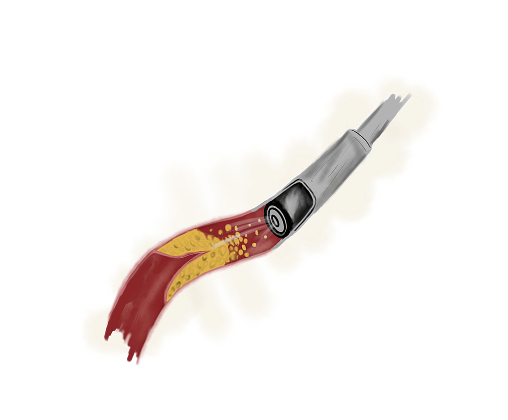
This process is known as atherosclerosis and forms the underlying cause of many cardiovascular diseases, including coronary artery disease, stroke, and peripheral arterial disease of the lower extremities.
Atherosclerotic plaque develops silently over many years, often without noticeable symptoms, until the narrowing becomes significant or a complete blockage occurs. Early diagnosis and treatment are essential to prevent serious complications.
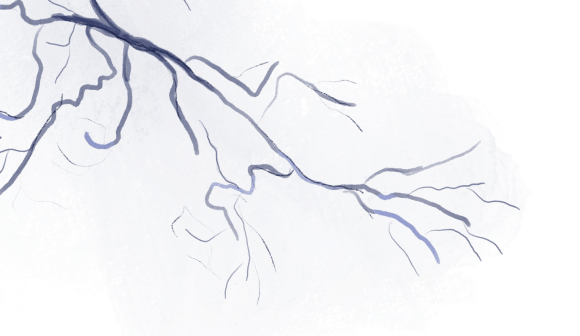
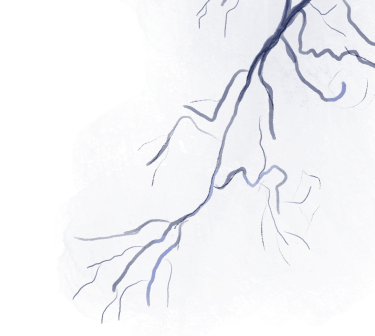
The timely early diagnosis of the disease
is very important
for the good outcome of the condition in both stages of the disease.
Where Does Atherosclerotic Plaque Develop?
The severity of the stenosis determines the management. In carotid artery disease, according to the guidelines of the European Society for Vascular Surgery (ESVS), surgery is indicated in symptomatic stenosis of 50% to 99%, while in asymptomatic patients it is considered from 60% με 70% and above, in centres with a low perioperative risk.
Atherosclerotic plaque can develop in any artery of the body, although it tends to occur more frequently in areas where blood flow is disturbed or where the arterial wall is exposed to increased mechanical stress.
The most common locations include:
Carotid Arteries
The arteries in the neck that supply blood to the brain. Narrowing of these vessels significantly increases the risk of stroke.
Coronary Arteries
These arteries supply the heart muscle with oxygen-rich blood. Blockage may result in angina or myocardial infarction (heart attack).
Lower Extremity Arteries
When affected, blood circulation to the legs is reduced, causing pain during walking (intermittent claudication) and, in advanced stages, critical limb ischaemia or ulceration.
Renal Arteries
Νarrowing of the renal arteries may lead to impaired kidney function and resistant hypertension.
Abdominal Aorta
The largest artery in the body. Atherosclerotic changes in the abdominal aorta may contribute to the development of an aortic aneurysm.
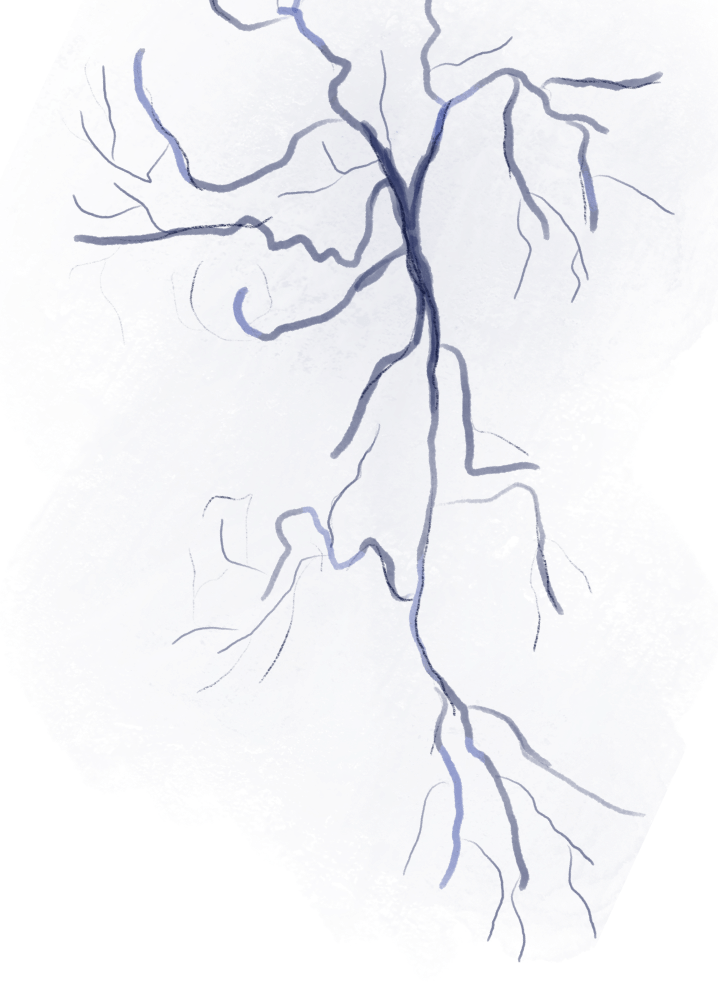
What are the interventional methods of surgical treatment?
Where Does Atherosclerotic Plaque Develop?
Atherosclerotic plaque can develop in any artery of the body, although it tends to occur more frequently in areas where blood flow is disturbed or where the arterial wall is exposed to increased mechanical stress.
The most common locations include:
Carotid Arteries
The arteries in the neck that supply blood to the brain. Narrowing of these vessels significantly increases the risk of stroke.
Coronary Arteries
These arteries supply the heart muscle with oxygen-rich blood. Blockage may result in angina or myocardial infarction (heart attack).
Lower Extremity Arteries
When affected, blood circulation to the legs is reduced, causing pain during walking (intermittent claudication) and, in advanced stages, critical limb ischaemia or ulceration.
Renal Arteries
Νarrowing of the renal arteries may lead to impaired kidney function and resistant hypertension.
Abdominal Aorta
The largest artery in the body. Atherosclerotic changes in the abdominal aorta may contribute to the development of an aortic aneurysm.
Symptoms of Atherosclerotic Plaque
Atherosclerotic plaque often progresses silently for a prolonged period without causing obvious symptoms. As arterial narrowing worses and blood flow decreases, the following warning signs may develop due to reduced tissue oxygenation:
- Fatigue or a feeling of heaviness in the limbs, particularly during walking or exercise
- Numbness or coldness in the fingers, feet, or extremities
- Dizziness, weakness, or difficulty concentrating
- Chest pain or pressure during exertion or physical activity
- Wounds that heal slowly or undergo changes in appearance
In many cases, the first manifestation may be an acute event such as a heart attack or stroke. For this reason, prevention and timely vascular assessment are crucial for maintaining arterial health.
Diagnostic Evaluation of Atherosclerotic Plaque
The diagnosis of atherosclerotic plaque is established through simple, painless, and highly reliable examinations that allow physicians to assess blood flow and the degree of arterial narrowing.
Duplex Ultrasound (Triplex Scan)
The most important and reliable diagnostic tool. High-resolution ultrasound imaging provides real-time visualization of the arterial lumen and can accurately detect plaque formation and stenosis. It is commonly performed on the carotid arteries and lower limb vessels.
CT or MR Angiography
Used when detailed mapping of the vascular system is required, particularly before endovascular procedures such as atherectomy.
Blood Tests
Assessment of cholesterol levels, triglycerides, and other lipid parameters helps evaluate the risk of atherosclerosis and guides long-term preventive strategies.
Treatment of Atherosclerotic Plaque
The primary goals of treatment are to improve blood flow and prevent serious complications such as heart attack and stroke.
In the early stages, treatment is usually conservative and includes medication, a healthy diet, regular exercise, and strict control of cardiovascular risk factors such as cholesterol levels and blood pressure. When arterial narrowing becomes more advanced, endovascular intervention may be required. One of the most advanced and targeted treatment options is atherectomy, which allows precise removal of atherosclerotic plaque and restoration of normal blood flow.
Atherectomy – Endovascular Removal of Atherosclerotic Plaque
Atherectomy is a modern, minimally invasive endovascular technique that enables the vascular surgeon to precisely remove atherosclerotic plaque from within the artery, restoring normal blood circulation.
The procedure is performed through a thin catheter inserted into the vessel via a small puncture, without the need for surgical incisions. Depending on the characteristics of the lesion, specialised devices are used to cut, sand, shave, or vaporize the plaque with high precision.
Advantages of Atherectomy
- Removal of plaque without the need for stent implantation
- Preservation of the native artery
- Rapid recovery with minimal tissue trauma
- Effective treatment of complex and heavily calcified lesions
Atherectomy is most commonly used in the peripheral arteries of the lower extremities in patients with peripheral arterial disease (PAD), providing a highly targeted and effective solution when conventional techniques may be insufficient.
Dr. Theo Bisdas is an experienced vascular surgeon with extensive expertise in the treatment of arterial diseases using advanced minimally invasive techniques. He specializes in the management of peripheral arterial disease and endovascular procedures aimed at restoring blood flow, including advanced atherectomy techniques.
Having trained and worked in leading international vascular centres, Dr. Bisdas is committed to delivering personalized patient care and treatment solutions that combine clinical excellence, technological precision, and a patient-centered approach.
Early diagnosis and treatment of atherosclerotic plaque are essential for preventing serious complications such as heart attack and stroke and for preserving long-term vascular health.
The first use in Greece of the Phoenix endovascular atherosclerotic plaque removal catheter was performed in the hybrid operating room of the Athens Medical Center.
Frequently Asked Questions (FAQs)
Can atherosclerotic plaque be cured?
Atherosclerotic plaque does not disappear completely; however, its progression can be slowed and stabilised through medication, a healthy diet, regular exercise, and lifestyle modifications. In cases of advanced arterial narrowing, plaque can be removed or treated using endovascular techniques, restoring adequate blood flow.
Can atherosclerotic plaque "rupture"?
Plaque rupture is not a desirable event. When an atherosclerotic plaque ruptures spontaneously, it may trigger blood clot formation, leading to acute arterial blockage, heart attack, or stroke. In modern vascular medicine, plaque is either stabilised with appropriate medical therapy or removed in a controlled manner using endovascular techniques such as atherectomy.
What can dissolve atherosclerotic plaque?
No medication, supplement, or food can completely dissolve atherosclerotic plaque. However, cholesterol-lowering medications such as statins, combined with a heart-healthy diet, regular physical activity, and smoking cessation, can help stabilize plaque, slow its progression, and significantly reduce the risk of cardiovascular complications.
What can dissolve atherosclerotic plaque?
No medication, supplement, or food can completely dissolve atherosclerotic plaque. However, cholesterol-lowering medications such as statins, combined with a heart-healthy diet, regular physical activity, and smoking cessation, can help stabilize plaque, slow its progression, and significantly reduce the risk of cardiovascular complications.
What is endovascular plaque removal (atherectomy)?
Atherectomy is an advanced endovascular procedure that uses a specialised catheter to precisely remove atherosclerotic plaque from inside an artery. Unlike angioplasty, which primarily compresses plaque against the arterial wall to widen the vessel, atherectomy physically removes the obstructive material, helping to restore more natural blood flow.
Is the procedure painful?
No. Atherectomy is a minimally invasive procedure performed under local anaesthesia. Patients remain awake throughout the procedure and typically experience little to no discomfort. Most patients can return home on the same day or the following day, depending on the complexity of the intervention.
When is atherectomy recommended?
Atherectomy is most commonly performed in patients with peripheral arterial disease (PAD), particularly those with significant narrowing of the lower limb arteries caused by extensive or heavily calcified plaque. It may also be recommended for the treatment of restenosis, which is the recurrence of arterial narrowing following a previous angioplasty procedure.
How long does the procedure take, and what is the recovery time?
The procedure typically takes between 30 and 60 minutes, depending on the location and complexity of the arterial lesion. Recovery is generally very rapid, with most patients resuming their normal daily activities within 24 to 48 hours.
Are there any risks or complications?
As with any endovascular intervention, there is a small risk of complications, including thrombosis, distal embolisation, bleeding, or vessel injury. However, the use of advanced embolic protection devices and the expertise of the treating vascular specialist make atherectomy a highly safe and effective procedure for appropriately selected patients.
What should I do after the procedure?
Regular follow-up with duplex ultrasound (Triplex scanning) is recommended to monitor the treated artery. Patients should also continue to manage cardiovascular risk factors, including high cholesterol, high blood pressure, diabetes mellitus, and smoking.
Medication should be taken exactly as prescribed by the treating physician, while maintaining a healthy lifestyle through balanced nutrition, regular exercise, and smoking cessation plays a crucial role in preventing future arterial narrowing and preserving long-term vascular health.

