




Endovascular Surgery
Introduction
Endovascular surgery represents a major advancement in the treatment of vascular diseases. Using modern medical technologies, it allows physicians to treat complex conditions of the circulatory system in a minimally invasive manner.
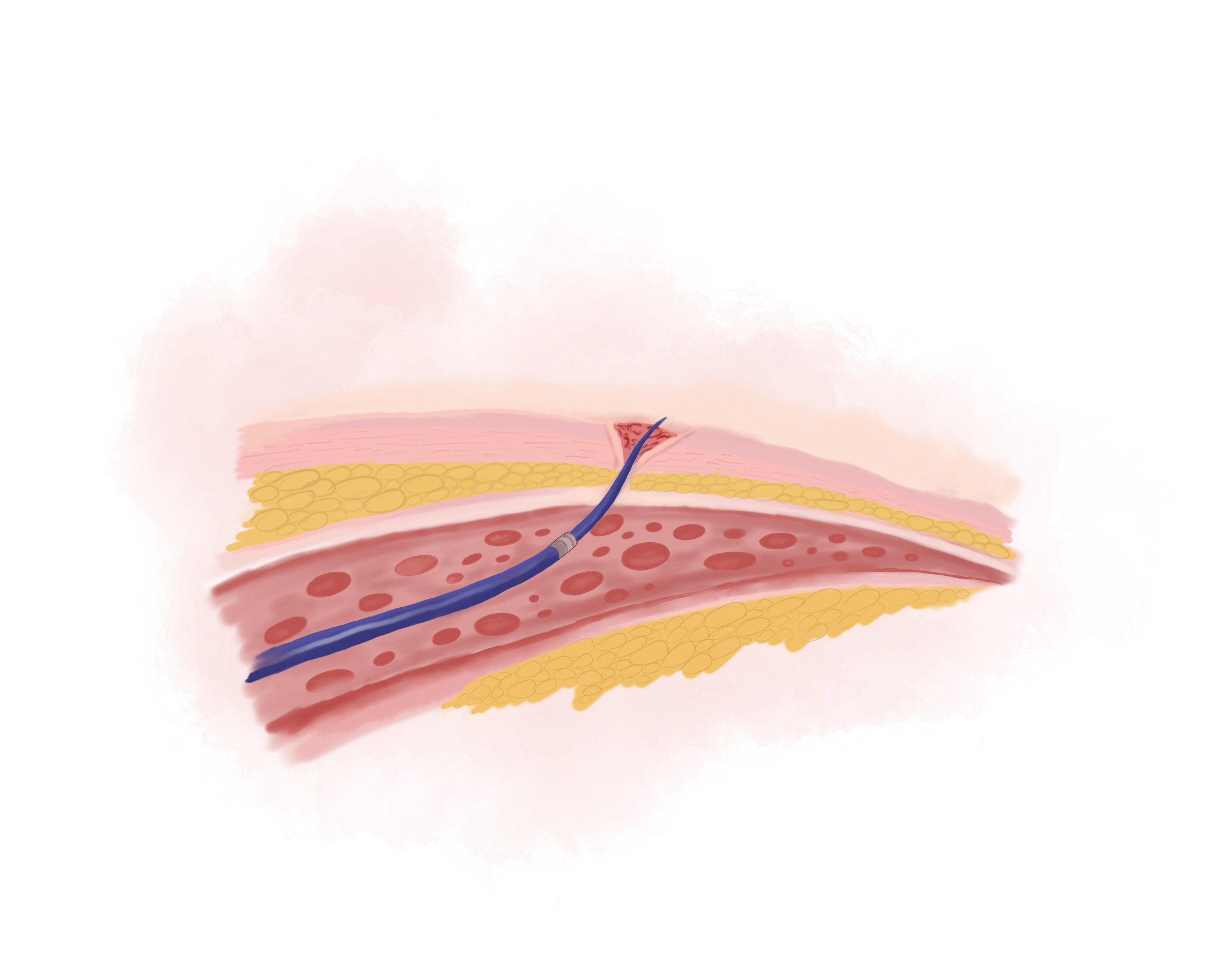
The development of endovascular techniques has significantly changed the way many vascular diseases are treated. It has expanded therapeutic options and reduced the need for large open surgical procedures, offering patients safer and less traumatic treatment alternatives.

The timely early diagnosis of the disease
is very important
for the good outcome of the condition in both stages of the disease.
What is Endovascular Surgery?
The measurements show the difference. Access is gained with a puncture of 2 to 8 millimetres instead of an incision of 15 to 30 centimetres of open surgery. Most procedures are performed under τοπική αναισθησία and the patient is usually mobilised within 24 hours.
Endovascular access is gained with a simple puncture of the vessel, typically 2 to 8 millimetres, χωρίς χειρουργική τομή. Γι’ αυτό οι περισσότερες ενδαγγειακές επεμβάσεις πραγματοποιούνται με τοπική αναισθησία and the patient is mobilised on the same or the next day.
Endovascular surgery is based on the use of specialised instruments that are inserted directly into the blood vessels through a small incision in the skin. Using thin catheters, the vascular surgeon can reach the exact location of the vascular problem and, with the assistance of advanced imaging systems, restore normal blood flow.
Several techniques are used in endovascular surgery.
Angioplasty
Angioplasty involves the use of a small balloon catheter that is inflated at the site of a narrowed artery. This expands the vessel lumen and restores proper blood circulation.
Stent Placement
In many cases, after angioplasty, a stent is inserted. A stent is a small metal scaffold that remains inside the artery to keep it open and prevent the vessel from narrowing again.
Stent Grafts (Endoprostheses)
For the treatment of aneurysms, a stent graft is used. This device combines a metal framework with a synthetic graft covering and is placed inside the artery to create a new internal channel for blood flow, reducing the risk of aneurysm rupture.
Endovenous Techniques for Veins
For venous diseases such as chronic venous insufficiency, endovenous techniques using laser or radiofrequency energy are applied. These methods heat and seal diseased veins, providing effective and safe treatment.
All these procedures are performed under continuous imaging guidance, allowing the surgeon to navigate instruments precisely and significantly reduce the risks compared with traditional open surgery.
The latest developments in the field, such as robotic vascular surgery, were presented at the LINC 2025 in Leipzig.
What are the interventional methods of surgical treatment?
Benefits of Endovascular Surgery
Endovascular surgery offers several important advantages compared with conventional open surgical procedures. Because large incisions are not required and only small access points are used, the procedure is less traumatic for the body. As a result, patients typically experience faster recovery, less postoperative pain, shorter hospital stays, and quicker return to normal daily activities. Additionally, the risk of complications is generally lower, making this approach a safe and reliable treatment option for appropriately selected patients.
Conditions Treated with Endovascular Surgery
The method has a long history. The vessel puncture technique still used today was described in 1953 by the Swedish radiologist Sven Seldinger, while the first endovascular repair of an aortic aneurysm was performed in 1991. In less than 40 years the endovascular approach became the first choice in a large part of vascular conditions.
Endovascular techniques are used to treat a wide range of vascular diseases, often replacing procedures that previously required major surgery.
Aortic Aneurysm: placement of a stent graft (EVAR) protects against aneurysm rupture without the need for open surgical repair
Carotid Artery Disease: endovascular carotid stenting can help prevent ischaemic stroke in patients with significant carotid artery narrowing
Peripheral Arterial Disease: through angioplasty and stent placement, blood flow to the lower limbs can be restored, reducing symptoms of claudication and preventing limb-threatening complications such as amputation
Chronic Venous Insufficiency and Varicose Veins: endovenous techniques using laser or radiofrequency energy eliminate diseased veins while improving both function and cosmetic appearance
Diabetic Foot: endovascular procedures can restore blood circulation in the limbs, reducing the risk of chronic ulcers and limb amputation
The Procedure Step by Step
Before any endovascular procedure, a comprehensive preoperative evaluation is performed. This includes blood tests, ultrasound examinations, or CT angiography in order to accurately assess the condition of the blood vessels and plan the treatment. The patient is informed in detail about the procedure, its benefits, and potential risks.
Vascular access is usually obtained through a small incision in the groin or wrist. The procedure is typically performed under local or regional anaesthesia, allowing most patients to avoid general anaesthesia. The duration of the intervention depends on the complexity of the condition, with simple procedures usually taking 30–60 minutes and more complex procedures taking 2–3 hours.
After the procedure, the patient remains in the hospital for observation. In most cases, hospitalisation lasts one to two days. Mobilization begins only a few hours after the intervention, and in straightforward cases the patient may return home the following day.
Advanced Endovascular Procedures | Dr. Theodosios Bisdas
Dr. Theodosios Bisdas has many years of experience in vascular surgery and specializes in endovascular techniques. As Director of the 3rd Vascular Surgery Department at Athens Medical Center, he applies the most advanced methods daily for the treatment of complex vascular diseases.
His expertise in the hybrid operating room environment enables the safe performance of highly complex procedures. A key component of this approach is the collaboration of a specialised medical team consisting of vascular surgeons, interventional radiologists, and highly trained nursing staff.
This multidisciplinary teamwork ensures comprehensive and safe patient care, with every patient evaluated individually in order to select the most appropriate treatment and improve quality of life.
Frequently Asked Questions (FAQs)
In which cases is endovascular surgery not recommended?
Patients with very extensive vascular disease, extremely complex vascular anatomy, or active infection in the treatment area may require open surgical repair instead.
How safe are stent or stent-graft procedures?
These techniques are considered highly safe and effective, with excellent success rates. However, as with any medical procedure, complications such as thrombosis, bleeding, or device displacement may occur, which is why regular follow-up is important.
What type of anaesthesia is used in endovascular surgery?
Most procedures are performed under local or regional anaesthesia. This significantly reduces the risks associated with general anaesthesia, especially in elderly or high-risk patients.
What complications may occur after the procedure?
The most common issues include a small hematoma at the access site, mild swelling, and minor discomfort. Rarely, thrombosis or restenosis may occur, which can usually be treated promptly.
Is there pain after the procedure?
Postoperative pain is typically minimal and usually limited to the access site. Most patients feel almost fully recovered within a few days.
When can patients return to normal daily activities?
For simple procedures, patients can usually resume normal activities within 2–3 days. More complex cases may require up to one week.
Is endovascular surgery safe for elderly patients?
Yes. In fact, it is often the preferred treatment option for older patients, because it is less invasive and safer for individuals with higher surgical risk.
How is the choice made between angioplasty, stent, or stent-graft?
The choice depends on the specific disease being treated, the location of the vascular lesion, the anatomy of the blood vessel, and the patient’s overall medical condition. The vascular surgeon designs an individualized treatment plan to ensure the best possible outcome.

