


Deep vein thrombosis (DVT):
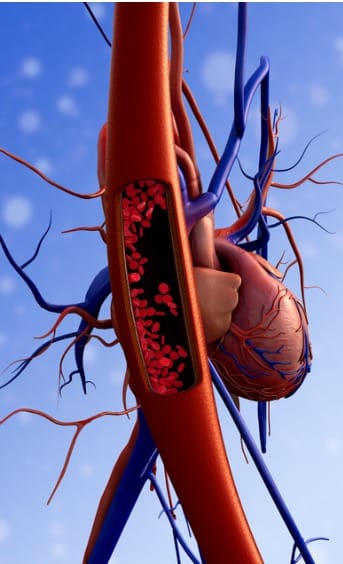
The venous thrombosis is a pathological condition in which a blood clot (thrombus) forms inside a vein, obstructing the normal flow of blood. A thrombus can develop anywhere within the venous system, but it most commonly occurs in the veins of the lower limbs. There are twomain types of venous thrombosis :
- Superficial venous thrombosis:Occurs in veins close to the surface of the skin and is usually less serious.
- Deep vein thrombosis (DVT):Occurs in deeper veins, mainly in the legs, and is more dangerous because it can lead to complications such as pulmonary embolism, when a clot detaches and travels to the lungs.
What Is Deep Vein Thrombosis (DVT)?
Deep vein thrombosis is a serious medical condition that occurs when a blood clot blocks a vein located deep within the body. Blood clots are formations of coagulated blood that develop inside a vein and can obstruct normal blood circulation.
Venous clots most commonly occur in the legs, but they may also develop in other parts of the body. The most dangerous complication occurs when the clot travels toward the heart and the pulmonary arteries, causing a pulmonary embolism, which can be life-threatening.
Symptoms in the Leg
The most common symptoms of deep or superficial venous thrombosis in the leg include:
- Swelling of the affected leg
- Cramping and severe pain in the calf
- Unexplained pain in the leg or ankle
- Warmth or burning sensation in the affected area
- Localized redness and tenderness, usually along the inner part of the leg or the calf
Deep vein thrombosis can also occur in the upper limbs. Symptoms may include:
- Pain in the neck or collarbone area
- Shoulder pain and pain along the arm
- Swelling of the arm or hand
- Bluish discoloration of the skin
- Difficulty moving the arm
Some patients may not realise they have deep vein thrombosis until symptoms of pulmonary embolism appear. These may include sudden shortness of breath, chest pain that worsens on deep breathing, a rapid heartbeat or coughing up blood.
Causes of Deep Vein Thrombosis
Several factors may lead to the development of venous thrombosis:
- Trauma: Injury to a blood vessel may narrow its lumen or block circulation, leading to clot formation.
- Surgery: During or after surgical procedures, thrombosis may occur due to vascular injury or prolonged immobilization.
- Immobilization: Lack of movement (sedentary lifestyle) or prolonged immobilization due to fractures, illness, or surgery may cause deep vein thrombosis.
- Cancer Patients with cancer have a higher risk of thrombosis, a condition known as paraneoplastic syndrome.
- Thrombophilia: Patients with inherited or acquired thrombophilia have an increased tendency to form blood clots. Screening for thrombophilia is recommended in patients under 50 years old with thrombosis, patients with unexplained thrombosis, individuals with a family history of thrombophilia, and women with multiple miscarriages.
- Certain Medications: Some medications may increase the risk of thrombosis, such as hormonal therapies, particularly when combined with smoking.
Standard Treatment for Venous Thrombosis
Venous thrombosis is a very serious condition. If it is not treated correctly and in time, it can lead to post-thrombotic syndrome, with swollen legs, brown discolouration and hardening of the skin around the ankles, and venous ulcers. It can also lead to pulmonary embolism and death. For this reason, patients should immediately consult a vascular surgeon or vascular specialist if venous thrombosis is suspected.
If the doctor confirms that you have venous thrombosis, anticoagulant treatment must be given. In cases of thrombosis of the superficial veins (thrombophlebitis), an injectable anticoagulant is usually given for a short period. In deep vein thrombosis the treatment lasts longer and is determined by the treating doctor. It is important to note that anticoagulants do not dissolve the clot directly. The body gradually breaks down the clot over time, while anticoagulants prevent the clot from growing or recurring.
Do I Need Compression Stockings After Deep Vein Thrombosis?
For patients at high risk of thrombosis, graduated compression stockings can help prevent its development. If deep vein thrombosis has already occurred, compression stockings may help prevent post-thrombotic syndrome. However, the decision to use them should be made after clinical evaluation by the treating physician.
Do I Need an Inferior Vena Cava (IVC) Filter?
The guidelines of scientific societies do not recommend do not recommend the use of inferior vena cava filters, which act as an umbrella against pulmonary embolism. The only indication for a filter is in patients who cannot receive anticoagulants due to the risk of bleeding or who suffer pulmonary embolism despite the use of anticoagulant medications.
The Role of Endovascular Techniques in Treating Deep Vein Thrombosis and Pulmonary Embolism?
Deep vein thrombosis in the legs is usually treated conservatively with anticoagulation because modern endovascular techniques do not provide significant additional benefit in most cases. However, when thrombosis affects the pelvic or abdominal veins, symptoms are often more severe. In these cases, modern endovascular surgery allows the immediate removal of the clot. This treatment can rapidly relieve symptoms, restore venous circulation, and prevent post-thrombotic syndrome by preserving venous valve function. I. Finally, pulmonary embolism places a considerable burden on cardiac function, with an immediate risk to the patient's life. In this case endovascular surgery offers the possibility of aspirating and removing the thrombus, which saves the patient's life.
Are Minimally Invasive Thrombectomy Techniques Available in Greece?
Specialised thrombus aspiration devices are available in Greece, including at the Athens Medical Center. The centre hosts the country's first hybrid operating room dedicated to vascular procedures. Our expertise in endovascular vascular surgery, combined with state-of-the-art equipment and an advanced hybrid operating room, ensures safe and effective treatment of deep vein thrombosis and pulmonary embolism.
The duration of treatment is determined by international guidelines: at least 3 months after deep vein thrombosis, with extension to 6 Months or longer when the risk factors persist. In superficial thrombophlebitis the treatment usually lasts 45 days.