


Superficial thrombophlebitis: Symptoms and treatment
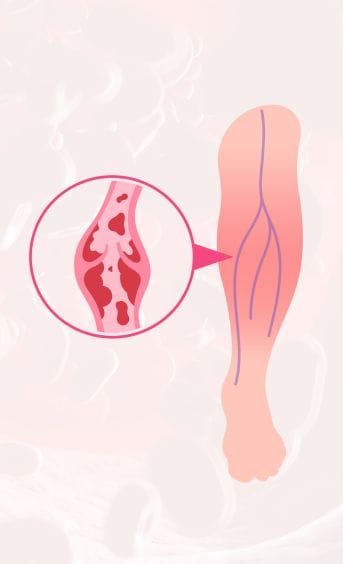
The superficial thrombophlebitis is a type of venous thrombosis that usually develops in a superficial vein of the leg or arm. It often occurs after injury, immobility, advanced venous insufficiency, or other conditions that affect blood flow and clotting.
Dr Theodosios Bisdas, MD, PhD, FACS, Associate Professor of Vascular Surgery and Director of the 3rd Department of Vascular Surgery at Athens Medical Centre, highlights the importance of early diagnosis and treatment to prevent complications.
What is superficial thrombophlebitis?
Superficial thrombophlebitis is an inflammatory condition affecting superficial veins, most commonly in the lower limbs. Compared with deep vein thrombosis (DVT), which involves larger deep veins, superficial thrombophlebitis typically carries a lower risk of severe complications. However, if untreated, it can cause significant discomfort and local complications. In neglected cases, it may lead to pulmonary embolism if the clot extends to the junction between superficial and deep veins.
What causes superficial thrombophlebitis?
It develops when the wall of a superficial vein becomes irritated or injured, leading to clot formation and inflammation. Common causes include:
- Trauma or minor injuries Minor trauma to a vein, as well as medical procedures such as intravenous catheter placement or the rapid infusion of certain medications, can irritate the vein wall and trigger inflammation. This irritation may promote the formation of a blood clot within the affected superficial vein.
- Medical procedures, such as an IV cannula or rapid infusion that irritates the vein
- Venous Insufficiency (Varicose Veins): Chronic venous insufficiency, commonly associated with varicose veins, is one of the most frequent causes of superficial thrombophlebitis. When the venous valves fail to function properly, blood pools within the veins, leading to venous stasis. This stagnant blood flow increases the risk of clot formation and subsequent inflammation of the vein.
- • Increased blood clotting tendency , e.g. pregnancy, combined oral contraception (especially with smoking), cancer, or inherited thrombophilia
- Infection/inflammation near the vein (rare)
Symptoms
The Sypmtoms typically occur along the course of a superficial vein and may include:
- Redness: over the vein
- Pain and tenderness especially on touch
- Swelling of the vein and surrounding tissues
- A firm , "cord-like" vein under the skin
- Local warmth Inflammation causes an increase in temperature in the area of the vein.
How serious is it?
The superficial thrombophlebitis is usually a mild, self-limiting condition. In some cases, however, it can progress to DVT, increasing the risk of pulmonary embolism..
Treatment
Treatment is conservative, with an anticoagulant injection for a short period, usually 45 days. If the thrombus approaches the point where the superficial vein enters the deep venous system, surgical ligation of the vein is recommended in order to prevent deep vein thrombosis.
The superficial thrombophlebitis is usually treated with simple and non-invasive methods, which aim at reducing pain, inflammation and preventing complications. The basic treatment methods include:
- Anti-inflammatory medicines (e.g. ibuprofen, if appropriate)
- Elevation of the affected limb
- Compression stockings to support venous flow
- Gentle mobilisation (walking helps prevent stasis)
- Anticoagulation: depending on clot extent and proximity to the deep venous system; rarely, surgical ligation of the superficial–deep junction may be recommended
The Early diagnosis and treatment are essential. If you develop redness, pain, or swelling along a vein, consult Dr. Theodosios Bisdas promptly for individualised assessment and care.