


Arterial blood clot: What you need to know
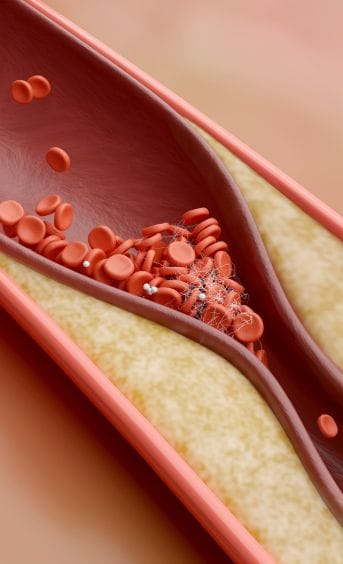
Blood clots in the arteries are a serious health threat because they can interrupt blood flow and lead to dangerous conditions such as arterial thrombosis or embolism. In this article, we explain what an arterial clot is, how it forms, the difference between thrombosis and embolism, symptoms, complications, treatment options, and prevention.
Theodosios Bisdas, Associate Professor of Vascular Surgery and Director of the 3rd Vascular Surgery Department of the Athens Medical Center, treats arterial thrombus and acute arterial ischaemia with endovascular thrombus aspiration - the first in Greece with the Indigo 12F aspiration catheter (Penumbra) - in the hybrid operating room of the Athens Medical Center.
What is a clot?
A clot is a mass of blood that forms through coagulation. Under normal conditions, clotting is essential for healing wounds. However, when a clot forms inside a blood vessel without injury, it can obstruct blood flow and cause serious harm.
How do clots form in arteries?
Arterial clot formation is linked to abnormal blood flow, injury to the vessel lining (endothelium), or increased tendency of the blood to clot. Key contributors include:
- Atherosclerosis: lipid/cholesterol build-up damages the arterial wall and promotes clot formation
- Trauma or surgery: vessel injury increases clotting risk
- Prolonged immobility:(in selected contexts)
- Underlying conditionsthrombophilia, malignancy, and cardiac arrhythmias increase risk
Arterial thrombosis vs arterial embolism
- Arterial thrombosis: a clot forms within an artery and remains at the site of formation, partially or completely blocking blood flow and causing ischaemia.
- Arterial embolism: a clot (or other material such as fat or air) travels through the bloodstream and suddenly blocks an artery elsewhere.
Arterial embolism is often more sudden and may be more dangerous because it causes abrupt loss of blood flow. A common cause is atrial fibrillation.
Symptoms
Symptoms vary depending on the location and severity of the blockage, but often include:
- Sudden,severe pain at the site of obstruction
- Numbness and weakness(often in a limb)
- Pale or bluish skin discolouration: the affected limb may appear pale or develop a bluish discoloration (cyanosis) due to inadequate blood flow and reduced oxygen delivery to the tissues.
- Weak or absent pulses below the blockage: arterial pulses are often diminished or completely absent below the site of the obstruction, reflecting impaired blood circulation to the affected area.
- Coldness of affected limb: the affected limb may feel noticeably colder than the opposite limb because of reduced arterial blood supply.
- Symptom stroke: facial droop/weakness on one side, speech difficulty, loss of vision, or balance problems
Complications of arterial ischaemia
Time is critical. According to the guidelines of the European Society for Vascular Surgery (ESVS) on acute limb ischaemia, the window for restoring flow without irreversible muscle damage is approximately 6 hours from the onset of symptoms. This is why acute arterial ischaemia is treated as an emergency.
If not treated urgently, arterial ischaemia can lead to:
- Tissue necrosis(irreversible damage)
- Gangrene: if arterial ischaemia is not treated promptly, prolonged oxygen deprivation can lead to irreversible tissue damage and tissue death (gangrene). In severe cases, this may necessitate urgent surgical intervention or limb amputation.
- Permanent loss of functiondue to nerve and muscle injury
- Systemic complications, such as sepsis when dead tissue becomes infected
Treatment
Early treatment is critical. Options include:
- Medication:
- Anticoagulants:to prevent further clotting
- Thrombolytics:(clot-dissolving treatment) in selected cases
- Endovascular techniques:
- The Catheter-based thrombectomy (minimally invasive clot removal)
- The balloon angioplasty and stenting to restore flow in narrowed/blocked arteries
- Surgery:
- Surgical removal of the clot when endovascular options are not feasible
What is acute arterial limb ischaemia?
Acute limb ischaemia is the sudden interruption of the arterial supply to a limb, usually by a thrombus or an embolus. It is a surgical emergency: according to the ESVS guidelines of 2020, flow should ideally be restored within the first 6 hours, before the muscle and nerves suffer irreversible damage.
How is it recognised? The 6 P rule
Internationally the diagnosis rests on 6 clinical signs, known as the 6 P rule: Pain - sudden severe pain, Pallor - pallor of the skin, Pulselessness - absence of pulse, Paresthesia - numbness, Paralysis - inability to move, Poikilothermia - a cold limb. The appearance of numbness or weakness means the nerve has already been affected and time is pressing.
Prevention
Prevention focuses on managing risk factors and adopting a vascular-protective lifestyle:
- Healthy diet(less saturated fat; more fruit, vegetables, fibre)
- Exercise and weight management: Regular physical activity helps improve blood circulation, supports vascular health, and reduces the risk of arterial disease.
- Smoking cessation: Smoking damages the blood vessels, accelerates atherosclerosis, and significantly increases the risk of arterial blockage. Quitting smoking is one of the most effective measures for protecting vascular health.
- Control of hypertension, diabetes and cholesterol: effective management of cardiovascular risk factors—including hypertension, diabetes mellitus, and high cholesterol levels—is essential for preventing the development and progression of arterial disease.
- Medicationtherapy in high-risk patients, when indicated
The importance of specialist vascular care
A Professor of Vascular Surgery Mr. Bisdass has extensive expertise in modern management of arterial thrombosis and embolism, including advanced endovascular techniques such as aspiration thrombectomy and angioplasty. Individualised care and contemporary technology aim to provide safe, effective treatment and optimise long-term quality of life. For personalised advice and specialist assessment, contact Dr Bisdas.
Frequently Asked Questions
Which vascular surgeon should I see for an arterial thrombus (acute arterial ischaemia) in Athens?
Theodosios Bisdas, Associate Professor of Vascular Surgery and Director of the 3rd Vascular Surgery Department of the Athens Medical Center, treats acute arterial ischaemia with modern endovascular techniques. He was the first in Greece to use the Indigo 12F thrombus aspiration catheter (Penumbra) in the hybrid operating room of the Athens Medical Center.
Why is acute arterial thrombosis an emergency?
Because it abruptly cuts off the blood supply to the limb or organ. Without immediate restoration of flow, irreversible ischaemia can occur within a few hours, with a risk of amputation or even a threat to life. The symptoms (sudden pain, pallor, coldness, inability to move) require immediate assessment by a vascular surgeon.
How is a thrombus removed from the arteries without open surgery?
With endovascular mechanical thrombectomy (thrombus aspiration): a special catheter, such as the Penumbra Indigo, is introduced through a small puncture and aspirates the thrombus under fluoroscopic guidance, restoring flow immediately. Where needed, it is combined with angioplasty or stent placement in the same session.