



How harmful is the e-cigarette?
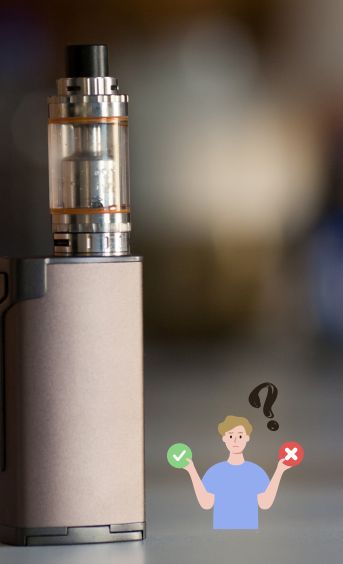
E-cigarettes are devices that heat a liquid to produce an aerosol (vapor) that the user inhales. The liquid typically contains nicotine, flavorings, and other chemical compounds. Many people assume they are less harmful because they do not contain tar or the same levels of combustion-related toxins found in conventional cigarettes. However, “less harmful” does not mean harmless. From a scientific standpoint, is vaping truly less harmful than smoking?
How can e-cigarettes affect our blood vessels?
E-cigarette aerosol contains nicotine and other chemicals that can cause vasoconstriction (narrowing of blood vessels), oxidative stress, and inflammation. These mechanisms impair vascular elasticity and function and, over time, may increase the risk of hypertension and cardiovascular disease.
While switching completely from smoking to vaping may reduce exposure to certain toxins in some cases, it is not risk-free. Vascular injury is real and well documented. In addition, many people become dual users—they use both e-cigarettes and conventional cigarettes—which increases overall cardiovascular risk.
How does nicotine from e-cigarettes affect heart and circulation?
Nicotine—regardless of how it is delivered—raises heart rate, blood pressure, and cardiac workload. This effect is immediate and, over time, may contribute to hypertension, atherosclerosis, and an increased risk of heart attack or stroke.
What do recent studies show about vaping and blood vessels?
Recent clinical and laboratory studies indicate that e-cigarette use can lead to endothelial dysfunction—damage to the inner lining of blood vessels. In addition, increases in blood pressure and heart rate have been observed immediately after use, even in young, otherwise healthy individuals.
Adolescents are particularly vulnerable, as nicotine can affect brain development and blood pressure regulation. Early exposure to substances that impact the vascular system may also increase long-term cardiovascular risk.
Do different e-liquid formulations have different vascular effects?
Yes. Different flavors and additives may have varying toxicity. Some flavorings—such as cinnamon- or butter-flavored compounds—have been associated with increased oxidative stress and endothelial toxicity, placing additional strain on blood vessels.
Preventing vascular damage
If someone stops using e-cigarettes, further vascular damage may be prevented. Endothelial function can improve significantly within weeks to months after cessation—especially in younger individuals without other cardiovascular risk factors. However, with long-term use or combined exposure to other harmful factors, full recovery may not always be possible.
E-cigarettes are not harmless and may have serious consequences for vascular health. Although they may reduce harm for chronic smokers who switch completely, they are not recommended for non-smokers or young people. The best strategy for vascular health is complete abstinence from all forms of nicotine and vaping products.
Organizations such as the American Heart Association (AHA) and the European Society of Cardiology (ESC) emphasize that e-cigarettes are not safe and are not recommended for long-term use. They also highlight the need for further research and support evidence-based smoking cessation methods with established safety and effectiveness.
Protect your vascular health responsibly. Consult Dr. Bisdas for expert assessment and guidance on reducing cardiovascular risk related to e-cigarette use.