


The vascular system
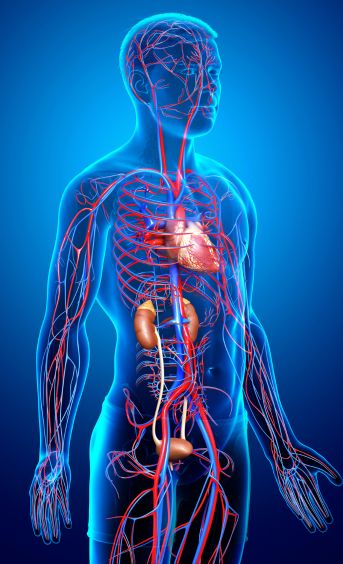
The vascular system is a highly complex yet precisely organised closed network of vessels through which blood circulates to all tissues and organs of the body, delivering oxygen, essential cells and proteins required for normal function
What is the vascular system?
The vascular or circulatory system transports blood throughout the human body. Its central component is the heart. The left side of the heart pumps oxygenated blood through the arteries to all organs and tissues. As arteries branch, they gradually become smaller and form capillaries, where oxygen and nutrients are exchanged with tissues. After delivering oxygen, blood continues through the venous capillaries and returns via larger veins (the superior and inferior vena cava) to the right side of the heart. From there, it is pumped to the lungs for oxygenation before returning to the left side of the heart, beginning a new cardiac cycle.
Components of the vascular system
Arteries
Arteries carry oxygenated blood under pulsatile pressure throughout the body. They consist of three layers and are highly elastic. The largest artery is the aorta, which is particularly important due to its association with aneurysm formation. Smaller arteries vary in importance depending on the organs they supply and the availability of collateral circulation.
Veins
Veins return deoxygenated blood from the body's organs and tissues back to the lungs, without a pulse. The wall of a vein is much thinner, more compressible and more fragile than that of an artery. At the same time it can dilate gradually to a great degree, and this is what gives rise to varicose veins. The largest veins in the human body are the superior and inferior vena cava, while a very large number of veins remain inactive and come into use when needed (pregnancy, thrombosis, inflammation and so on).
Capillary vessels
Capillaries are microscopic vessels connecting arteries and veins, allowing exchange of oxygen, nutrients, carbon dioxide and metabolic waste between blood and tissues.
How the vascular system works
The total length of the vascular network of an adult is estimated at approximately 100,000 kilometres. At rest the heart pumps approximately 5 litres of blood per minute, a volume that can increase fivefold during intense exercise. The capillaries, where oxygen exchange takes place, have a diameter of 5 to 10 thousandths of a millimetre.
The system consists of the heart, arteries, veins and capillaries. The heart acts as the central pump with four chambers: two atria and two ventricles. Oxygenated blood is pumped from the left ventricle into the aorta and distributed through arteries, arterioles and finally capillaries.
The heart functions as the central pump of the circulatory system. It consists of four chambers: two atria and two ventricles. Oxygen-rich blood is pumped from the left ventricle into the aorta and then distributed through the arteries, which carry blood throughout the body. These arteries branch into smaller arterioles and eventually into capillaries.
Capillaries are the smallest blood vessels in the circulatory system and serve as the primary sites of exchange between the blood and the tissues. Through the capillary walls, oxygen and nutrients are delivered from the bloodstream to the body's cells, while carbon dioxide and other metabolic waste products are transferred from the tissues into the blood.
The blood, now depleted of oxygen and carrying waste products, is collected by small vessels called venules, which merge to form veins. The veins return blood to the heart. The superior and inferior vena cava deliver blood to the right atrium, which then passes it to the right ventricle. From there, the right ventricle pumps the blood to the lungs through the pulmonary artery, where it becomes reoxygenated.
This continuous circulation ensures a constant supply of oxygen and nutrients to the body's tissues while simultaneously removing carbon dioxide and other waste products. In this way, the vascular system plays a vital role in maintaining normal organ function and overall health.
Importance of a healthy vascular system
A healthy vascular system is essential for overall wellbeing. Efficient circulation ensures adequate oxygen and nutrient delivery while removing metabolic waste, maintaining physiological balance (homeostasis). Healthy vessels reduce the risk of cardiovascular diseases such as atherosclerosis, hypertension, peripheral arterial disease, venous insufficiency, and venous thrombosis. Good circulation also supports brain, kidney, and skin health and contributes to the prevention of stroke and cognitive decline.
Maintaining vascular health through balanced nutrition, regular exercise and avoidance of smoking and excessive alcohol consumption is critical for longevity and quality of life. The vascular surgeon is the specialist responsible for diagnosis, imaging and treatment of vascular disorders, ranging from ultrasound assessment to angioplasty or bypass surgery.